
Inks for flexible packaging
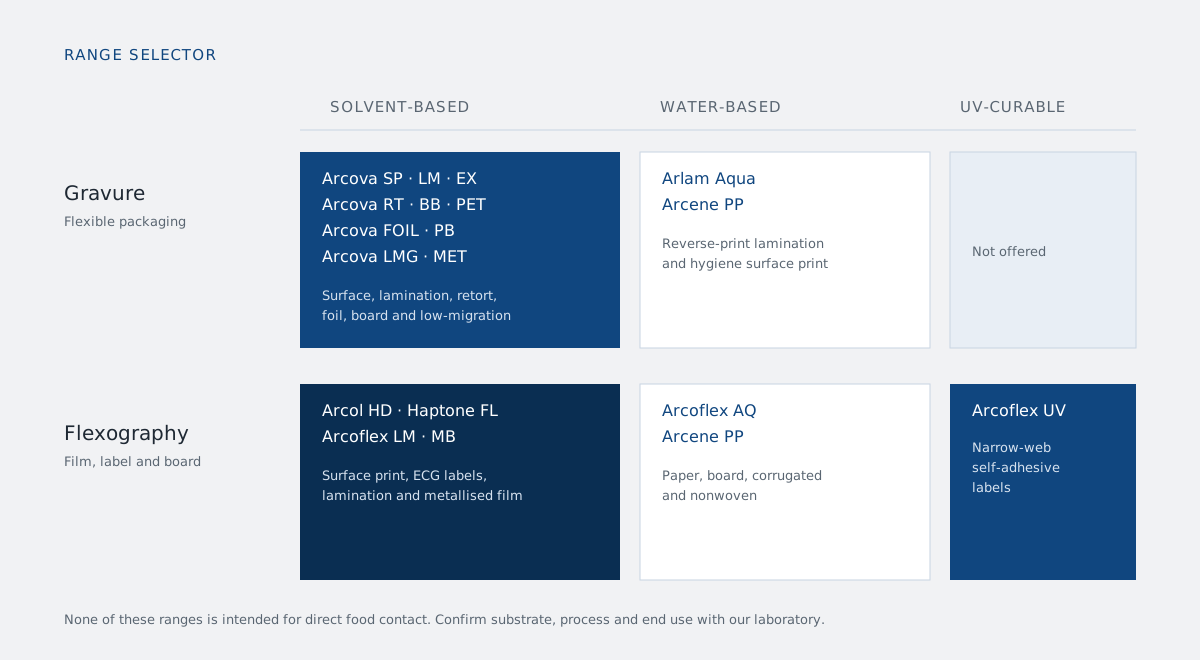
Eighteen ink ranges across rotogravure and flexography, in solvent-based, water-based and UV chemistry — developed and manufactured at our technical centre in Greater Noida.
One platform, every process route
Each range is formulated for a defined substrate set and a defined end use rather than sold as a general-purpose ink, so resistance, adhesion and bond strength can be specified against the job instead of discovered on press. Every range is supplied either as finished ink or as a concentrate system of pigment bases and technology varnishes for in-house dispensing, and all are formulated to the CEPE / EuPIA guidelines and Exclusion Policy.
Gravure inks
Rotogravure ranges for flexible packaging, from general surface printing through lamination, retort and low-migration grades.
Arcova LM
Reverse-print gravure for two-component and solvent-free adhesive lamination.
Flexographic inks
Flexo ranges for wide-web CI, narrow-web label and paper and board printing.
Arcol HD
High-strength solvent-based NC inks for high-speed CI flexo surface printing.
Haptone FL
Seven-colour Expanded Colour Gamut system for labels, sleeves and hygiene packs.
Water-based systems
Low-VOC ranges printing on both gravure and flexo presses.
Arlam Aqua
Low-VOC water-based reverse-print inks for adhesive and extrusion lamination.
How the two processes meter ink
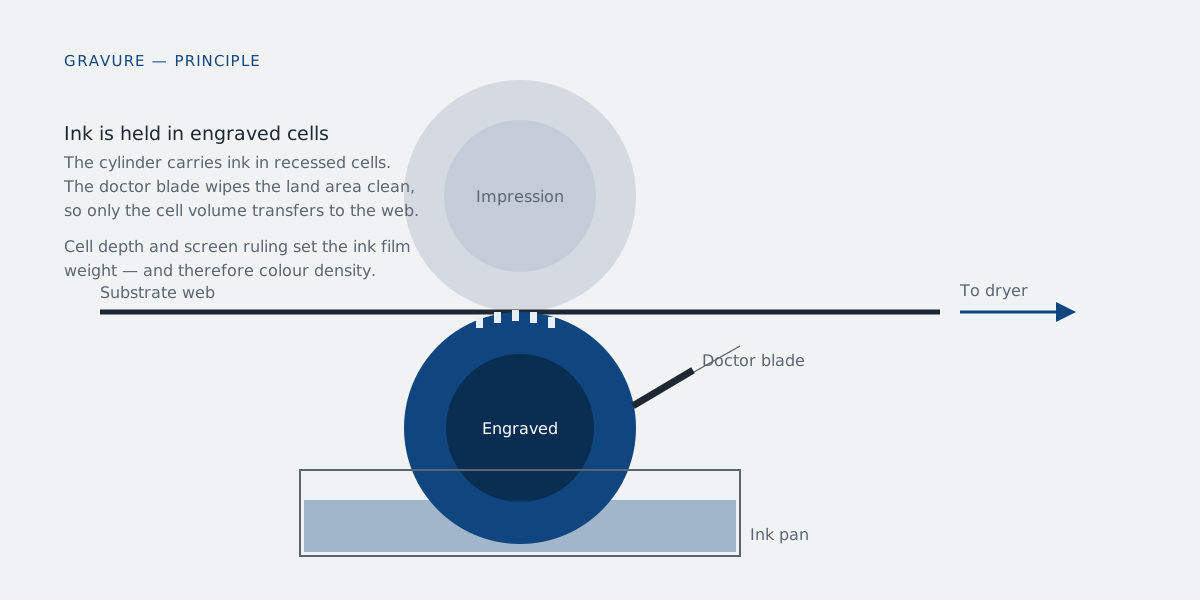
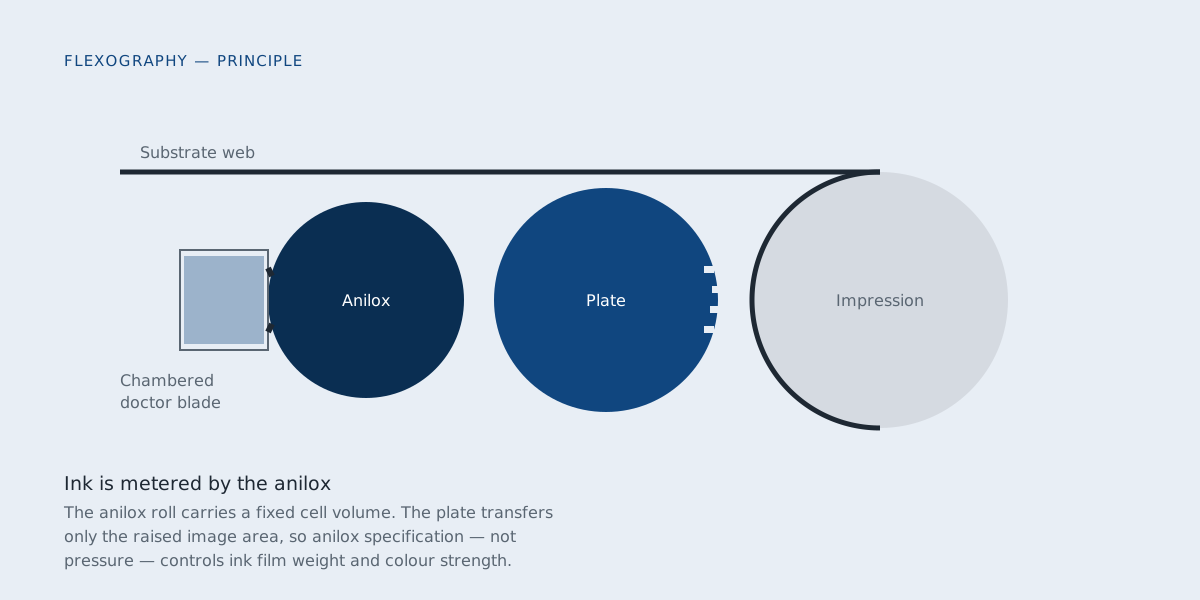
Gravure carries ink in engraved cells and wipes the rest away; flexo meters it with an anilox roll and transfers only the raised image. That single difference drives almost every formulation decision — pigment loading, solvent balance, viscosity window and how an ink behaves when the press stops.
Surface print, lamination and extrusion
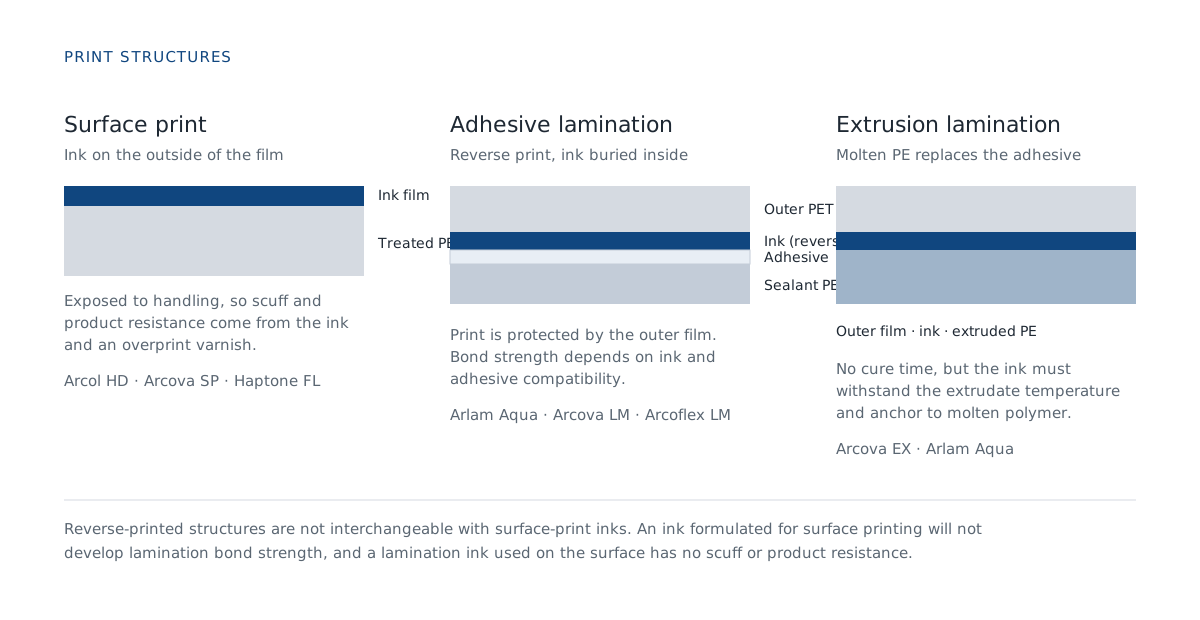
Where the ink sits in the finished structure decides which range applies. A surface-print ink is exposed to handling and needs scuff and product resistance; a reverse-print ink is buried under the outer film and must instead let the adhesive bond through it. The two are not interchangeable.
Technical, safety and regulatory documentation
Every range is supported by a full documentation set: a Technical Data Sheet with printing parameters, substrate requirements and storage conditions; a Safety Data Sheet in the format required by the destination market; a Statement of Composition detailing potentially migratable components for packaging compliance work, released under a mutual non-disclosure agreement; and EuPIA Exclusion Policy and heavy-metal declarations.
Always read the Safety Data Sheet before handling any product. Documentation is issued by our technical department on request.